If your jaw clicks when you chew, your temples ache by mid-afternoon, or a dull band of pressure settles behind your eyes, you're not imagining the connection. Jaw pain and headaches often travel together, and manual osteopathy is one hands-on way to look at both at the same time. At Mandala Center for Health & Wellness in Colwood, osteopathic manual therapy sits alongside a warm, person-centred approach to how the body holds stress. Below, we explain how the jaw and head are connected, what this style of care involves, and what to expect on the West Shore.
What Is Manual Osteopathy?
Manual osteopathy is an assessment-led, hands-on approach that looks at how the body's tissues, joints, and movement patterns work together. Instead of treating one sore spot in isolation, a practitioner studies posture, mobility, and areas of restriction across the whole body, then uses gentle techniques where tension is found. If you've searched "what is manual osteopathy," that's the short version: careful assessment, skilled touch, and practical education so you can take part in your own recovery.
It overlaps with massage therapy in its use of soft-tissue work, but the emphasis differs. The question isn't only where it hurts, but why that area may be working so hard. For anyone looking for an osteopath in Langford, Colwood, or the wider West Shore, that whole-body lens is often what sets this care apart.
How the Jaw, Neck, and Head Are Connected
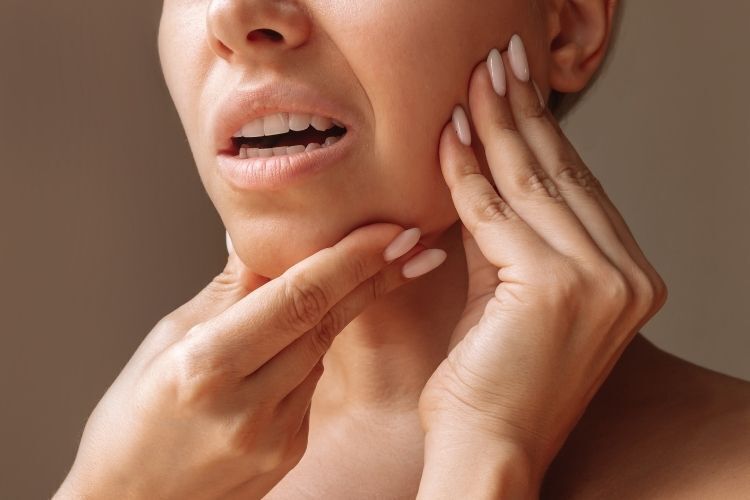
The temporomandibular joints (TMJ) sit just in front of each ear and move every time you speak, chew, or yawn. The chewing muscles attached to them fan out across your cheeks and temples, so when they're overworked, the discomfort rarely stays in the jaw. The neck joins the story too, which helps explain why a stiff neck and a sore jaw so often flare together.
Can TMJ Cause Headaches?
It can contribute. Jaw dysfunction and tight chewing muscles are a recognised source of headache-type pain around the temples, forehead, and eyes. Clenching or grinding, often during sleep or stressful stretches, is a common thread. Not every headache starts in the jaw, though, which is why careful assessment matters. The National Institute of Dental and Craniofacial Research offers a helpful overview of TMJ disorders.
Tension Headache vs. Migraine: Why the Difference Matters
Tension headaches usually feel like steady pressure or a tight band around the head. Migraines tend to throb and may bring nausea or sensitivity to light. Hands-on therapy is most often explored for tension-type pain, including the ache at the back of the head that creeps in after long hours at a desk. Migraines deserve a conversation with your doctor.
TMJ Ear Pain: Why the Ear Gets the Blame
Because the joint sits beside the ear canal, jaw trouble can feel like ear pain or fullness even when the ear itself is healthy. If ear symptoms come with fever, discharge, or hearing changes, see your doctor first.
How Manual Osteopathy May Ease TMJ Pain and Tension Headaches
No single technique fits everyone, which is why care at Mandala starts with listening.
A Whole-Body Assessment
Nicole Baker, RMT, DOMP, begins with a verbal intake covering your current and past concerns, lifestyle, and all body systems. From there she moves through a full-body assessment, narrowing down to the specific areas and hidden tensions involved. A sore jaw may be linked to the neck, upper back, ribcage, breathing pattern, old injuries, or dental work, so the jaw is rarely examined alone.
Gentle Hands-On Techniques
Treatment is gentle and direct. It may include soft-tissue work for the chewing muscles, neck, and shoulders, along with gentle joint and fascial techniques aimed at easing restriction and improving movement. Many people find that calming the surrounding tissues helps the jaw and head feel less braced. Results vary, and a succinct treatment plan keeps care focused on your goals.
Education You Can Use Between Visits
Short, practical habits help hands-on care last. Common suggestions include noticing daytime clenching, resting the jaw with lips together and teeth slightly apart, taking screen breaks to reset neck posture, and building in calm moments during busy weeks. Your practitioner tailors these to you.
Setting Realistic Expectations
Change with manual osteopathy is usually gradual rather than instant. Some people notice their jaw feels looser after a session, while longer-standing patterns can take more time and consistency. Your practitioner will check in on how you're responding and adjust the plan as you go.
What to Expect From Manual Osteopathy at Mandala in Colwood
Nicole earned her DOMP from the Canadian School of Osteopathy – Manual Practitioners in 2025 and has been a Registered Massage Therapist since 2016. She is a member of Osteopathy BC and has been faculty at WCCMT since 2022. Her sessions take place in a calm, clean setting, and TMJ dysfunction and headaches are among the concerns she treats. Mandala offers direct billing with a range of providers, though coverage for osteopathy varies by plan, so it's worth checking yours.
Nicole is currently welcoming new patients, and you can learn more or book through our manual osteopathy page. If you're curious what else we offer, our services page walks through our other hands-on options, and our about page lets you meet the whole team. Our clinic is on Brookside Road in Colwood, and you can get directions on Google Maps.
When to See Your Doctor First
Hands-on care complements medical assessment; it doesn't replace it. Get urgent help for a sudden, severe headache unlike any you've had, a headache after a head injury, or headaches with fever and a stiff neck, vision changes, weakness, or confusion. Persistent jaw locking or pain with chewing is worth raising with your doctor or dentist too. For general guidance, see Mayo Clinic's page on tension headaches.
Who May Benefit From Manual Osteopathy for Jaw Tension and Headaches?
Certain patterns show up again and again in people who struggle with both. If one of these sounds familiar, a whole-body assessment may be worth exploring.
Desk Workers With Neck and Shoulder Strain
Hours of screen time can leave the neck and shoulders braced, and that tension often travels up into the base of the skull and the jaw. If your headaches build through the workday and ease on weekends, posture and workstation habits are a good place to look.
Clenchers and Grinders
Stressful seasons tend to show up in the jaw. If you wake with sore facial muscles or catch yourself clenching during the day, the chewing muscles may be doing overtime, and a hands-on assessment can help sort out what's driving it.
People Recovering From Injury or Surgery
Old injuries, scars, and surgical recovery can change how the body moves, sometimes in places far from the original site. Osteopathic assessment considers that bigger picture, which can be useful when jaw or head symptoms appeared after a fall, a collision, or a procedure.
Ease Jaw Tension and Headaches: Your Next Step
Jaw pain and headaches are often two sides of the same pattern of tension, and manual osteopathy offers a gentle, whole-body way to explore it. Read more about manual osteopathy at Mandala, check current availability, and if you'd like care sooner, browse our other services or reach out to the team. We'd love to help you find the right fit.